

A family business built on investing in the community
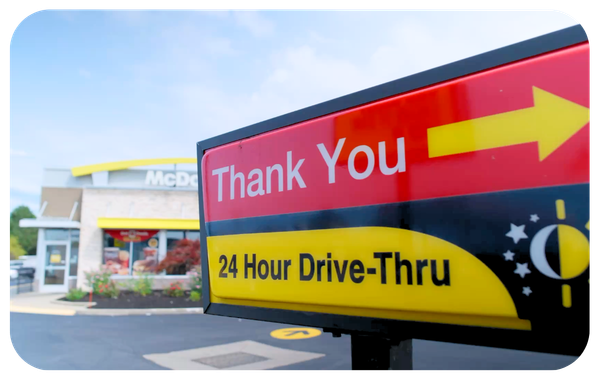

We’re selling food at our McDonald’s restaurants, but we’re also selling an experience. You can't create value for a customer if it's not being enjoyed in a place that is comfortable to walk into.
Modern energy infrastructure with a lower carbon footprint
The Singelyn Group and Budderfly have worked together on a range of projects, from refrigeration controls to lighting. According to David Singelyn, the most impactful of these has been the HVAC replacement. By swapping traditional rooftop units (RTUs) for more efficient heat pump units, The Singelyn Group was able to reduce energy use, decrease the need for repairs, and keep restaurants comfortable in every season.
The relationship has been hands-on and collaborative. The Singelyn Group and Budderfly have tested a host of different solutions together with a shared goal: reducing the energy consumption and carbon footprint in the communities where the restaurants operate. And Budderfly has provided the upfront capital for each installation.
$75K in utility savings, fewer repair calls, and more comfortable restaurants for guests and crew
Reduced consumption has saved The Singelyn Group $75,000 on the utility line item of its energy bills, but the even bigger win has been fewer repair calls, according to Singelyn. Old, unreliable equipment had required constant repairs. With less need to call technicians or pull the internal facilities team, labor and parts spending are both down, which he estimates has improved the company’s P&L by at least a quarter point. Plus, by replacing equipment on a planned schedule, crew and guests are less likely to deal with a freezing lobby in winter or a sweltering kitchen in summer and have better dining experiences.
Across the high-efficiency equipment installed at The Singelyn Group’s restaurants, emissions have been reduced by 670 metric tons, the equivalent of charging a cell phone 81 million times.
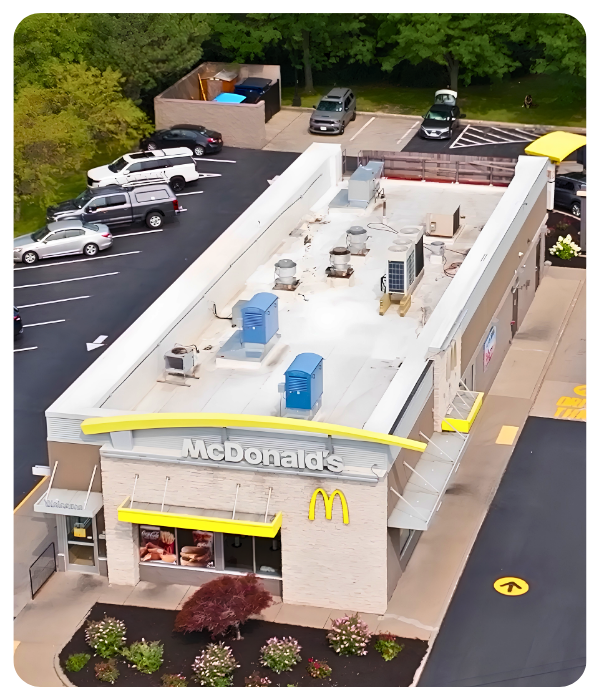
From HVAC to fryers: A partnership that keeps growing
The partnership is still expanding. The Singelyn Group and Budderfly have started a fryer pilot in select restaurants, applying the same model to an innovative new efficiency initiative. Budderfly has purchased new, high-efficiency fryers that use 30 to 40% less oil and 10 to 20% less energy compared to older models — dual efficiencies and less waste, while maintaining fresh-tasting food. Not only is The Singelyn Group reducing oil use and accessing reliable equipment without the capital outlay, he’s moving early on sustainable energy practices to stay ahead as energy regulations in New York tighten.
For The Singelyn Group, it all comes back to community, one of the company’s five foundational values. The goal is a restaurant that feels familiar and comfortable every time a family walks in, and modern, reliable energy infrastructure is part of making that happen.
We’re investing in our community because our customers live in our community. Not only does it feel good, but it's good business, too.