Oil Capacity vs. Legacy Fryers
Energy Use vs. Legacy Fryers
upfront capital required
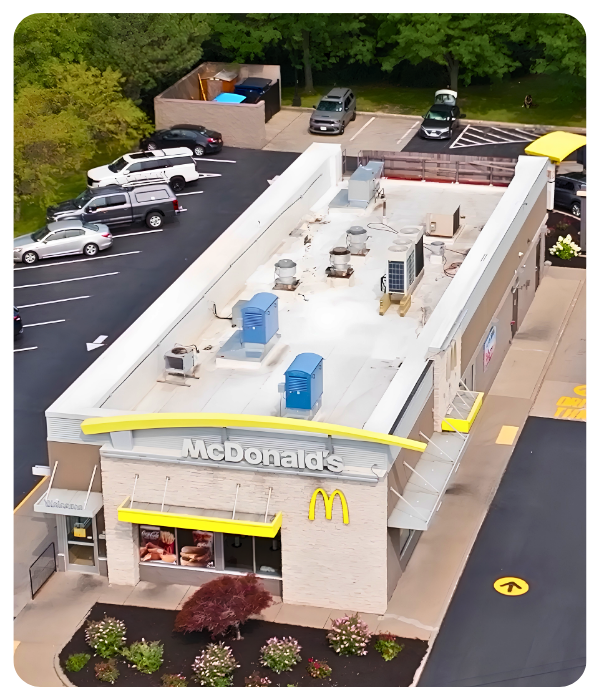
The Singelyn Group and Budderfly have worked together on energy efficiency projects across its McDonald’s restaurants, from refrigeration controls and lighting to a multi-site rooftop HVAC upgrade. Budderfly’s upgrades have saved The Singelyn Group $75,000 on the utility line item of its energy bills, reduced repair calls on aging equipment, and avoided 670 metric tons of emissions, the equivalent of charging a cell phone 81 million times.
When Budderfly’s engineers looked at where energy goes in a restaurant, they saw that a lot of it goes into cooking. A typical quick service restaurant spends $20,000 to $25,000 a year on oil. With a legacy fryer, the oil must be replaced about every six to seven days. Many quick service restaurants still run fryers that are 10 to 25 years old, while newer, low-oil-volume fryers use considerably less oil. If the oil could last longer, there would be savings to share with an operator already focused on reducing energy use.
We get the benefit of reliable new equipment that delivers a gold standard product, without having to shell out all of that capital to do it on an accelerated timeframe.
The Singelyn Group owns multiple McDonald's restaurants in upstate New York, and the fryer pilot grew out of the relationship the two teams had already built through previous energy-efficiency projects. Together, they selected a restaurant operating two 20-year-old electric fryers, making it an ideal location to evaluate the real-world impact of newer technology on oil consumption and energy use.
Budderfly’s team noticed that oil behaves like a utility: it’s delivered, tracked and billed much like kilowatt hours. That raised a question: if the energy-as-a-service model works for electricity and HVAC, could it work for oil? Budderfly purchases the new fryers, and The Singelyn Group gets reliable new equipment without paying for it up front.
Budderfly doesn’t install and leave. After upgrading lighting, refrigeration controls and HVAC across The Singelyn Group’s restaurants, the team kept looking for the next place to improve efficiency. The fryer was next.
These new, low-oil-volume fryers improve efficiency in two ways. The first is an efficient design. The vat holds 30 to 40% less oil than the legacy units while doing the same job, and electric heating elements spread around the vat heat the oil evenly instead of overheating it in spots. The new fryers are ENERGY STAR certified, using 10 to 20% less energy than the legacy models they replace.
The second is better filtration. Automatic filtration runs every 10 to 15 batches, which extends oil life and improves frying quality. It’s a set-it-and-forget-it feature, so staff no longer need to think about when to change the oil out.
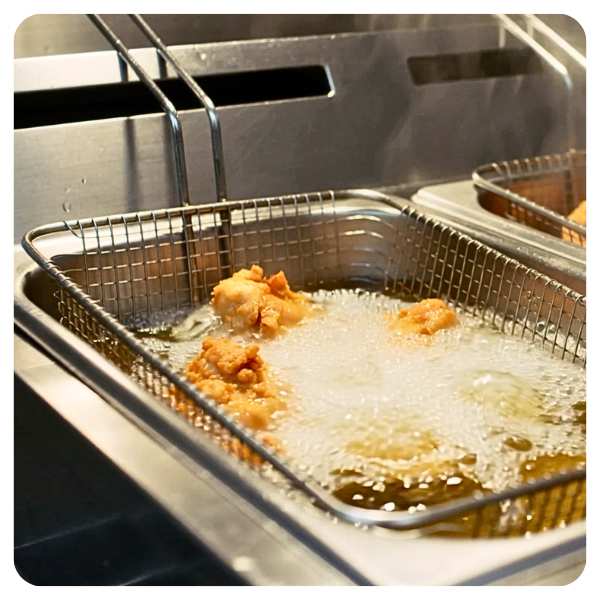
A low-oil-volume fryer is a commercial fryer designed to use significantly less cooking oil while maintaining cooking capacity. In Budderfly's pilot, the fryers used 30-40% less oil and 10-20% less energy than legacy models.
High-efficiency commercial fryers can cost $10,000 to $15,000 or more per unit, making upgrades difficult to prioritize even when operators know the equipment will reduce costs.
Budderfly’s model removes the hassle by reinvesting the savings and putting them back into the equipment that runs customers’ businesses. Operators get better commercial kitchen equipment and better food quality, and the savings from using less oil pay for the upgrade.
Typical cost of new energy equipment, per site
Budderfly will cover the upfront cost of the equipment.
| Equipment | Typical Cost | With Budderfly |
|---|---|---|
|
ENERGY STAR-certified fryer
per unit
|
$14,000+ |
$0 |
Singelyn has already seen the rewards of piloting these new generation fryers. Using less oil means smaller orders and less waste oil that needs to be collected and hauled away, creating a direct reduction at the source rather than an offset.
The fryer pilot reflects how Budderfly works with customers: we don’t just install and walk away. The team keeps working toward new ways to increase efficiency. With fryers, Budderfly has expanded energy efficiency into cooking equipment, one of the biggest energy users in a restaurant.
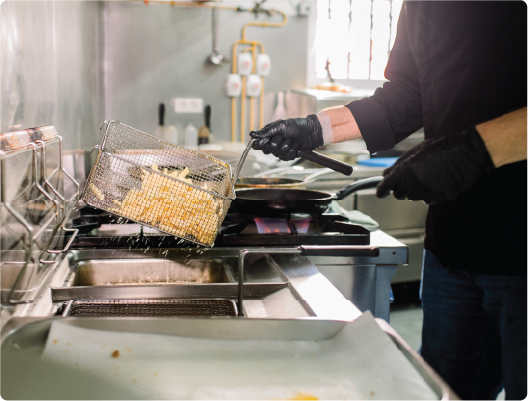
Budderfly's pilot found that modern low-oil-volume fryers use 30-40% less oil than legacy equipment while maintaining production capacity.
The pilot fryers use approximately 10-20% less energy than older fryers being replaced.
Commercial ENERGY STAR fryers can cost approximately $10,000-$15,000 per unit depending on configuration.
A low-oil-volume fryer is a commercial fryer designed to cook the same volume of food using significantly less cooking oil. These systems often include advanced filtration and heat-transfer technologies that improve efficiency and extend oil life.
High-efficiency fryers reduce costs through lower oil consumption, reduced energy usage, longer oil life, and fewer maintenance requirements. Together, these savings can significantly lower a restaurant's total cost of ownership.
Legacy fryers often require replacement every 6-7 days, while enhanced filtration systems can significantly extend oil life.
Yes. Reducing energy consumption and fryer oil usage can decrease waste generation and lower the environmental impact of restaurant operations. High-efficiency equipment is often part of broader sustainability and energy-management initiatives.
Energy-as-a-Service (EaaS) allows restaurants to implement efficiency upgrades without significant upfront capital expenditures. Under this model, equipment upgrades and ongoing optimization are packaged into a service agreement.
High-volume quick service restaurants, fast casual concepts, and multi-unit franchise operators often see the greatest benefits because fryer usage represents a substantial portion of their operational costs.
Modern filtration systems help remove food particles and contaminants that accelerate oil degradation. This can extend usable oil life, reduce waste, and improve food consistency.